
When people notice either an impact, a rock, or other piece of debris smash their windscreen, they know to take it to a specialist to get an urgent, stress-free repair as soon as possible.
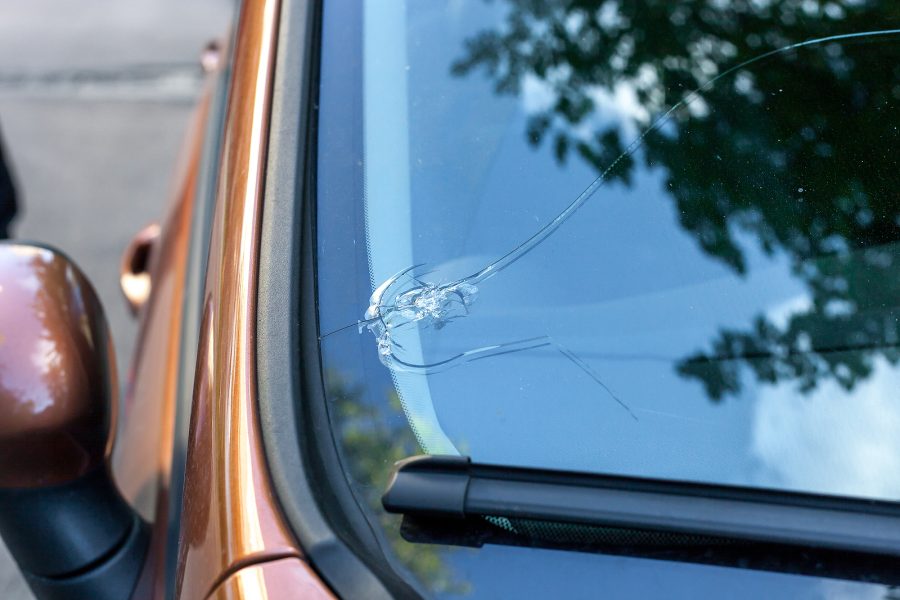
Part of the reason for this was to avoid falling foul of the Highway Code, but another reason is that the characteristic spiderweb crack you get from a laminated windscreen is impossible not to notice and is not exactly aesthetically pleasing.
However, what you should be careful of, particularly as spring turns into summer, is that even small cracks that are not affecting your visibility should be examined in case they have the potential to grow.
When temperatures get warmer, and the glass gets hotter, it starts to expand, and this will also expand weaknesses in the glass, such as chips and cracks.
This can cause a tiny chip in the wrong place to split the windscreen or expand into a cascade of spiderweb cracks that can make your car essentially illegal to drive.
At this point, a repair would be more expensive and may not even be possible, necessitating a complete replacement of the glass.
All of this could have been avoided by getting the crack repaired by a specialist at an affordable price.
Even if the weather remains consistent, the road and driving conditions can play a significant role in exposing further damage to the car’s windscreen.
Sudden vibrations, typically caused by rough roads, potholes and slamming your car door, can also lead to further damage to your car’s windscreen that needs to be similarly fixed.
Most damage to windscreens is cumulative, in that a small crack, chip or fatigue stress will expand and get worse over time if it is not properly managed, and the longer you delay, the more it could potentially cost once it cannot be delayed any longer.