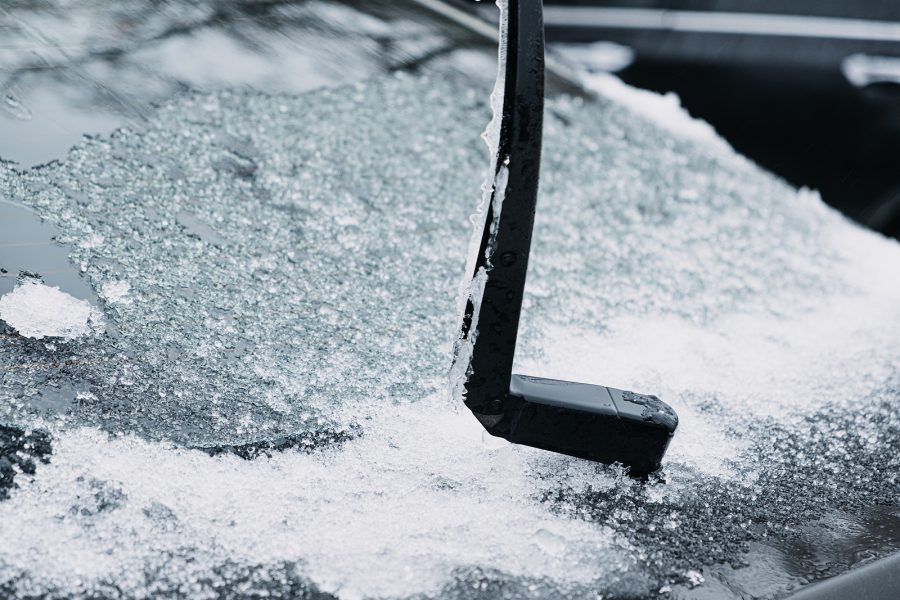



Not every piece of windscreen damage is alike, and whilst some very severe chips and cracks will necessitate a replacement being fitted, others of a similar size can be fixed instead or perhaps even can wait until you can safely drive to a garage.
Location matters a lot here: UK law distinguishes between two windscreen zones, and it focuses less on specific windscreen damage and more on its effects on your ability to drive safely.
The Highway Code notes simply that windows and windscreens must be kept clear of visual obstructions, which could be anything from glass smears to huge glass cracks.
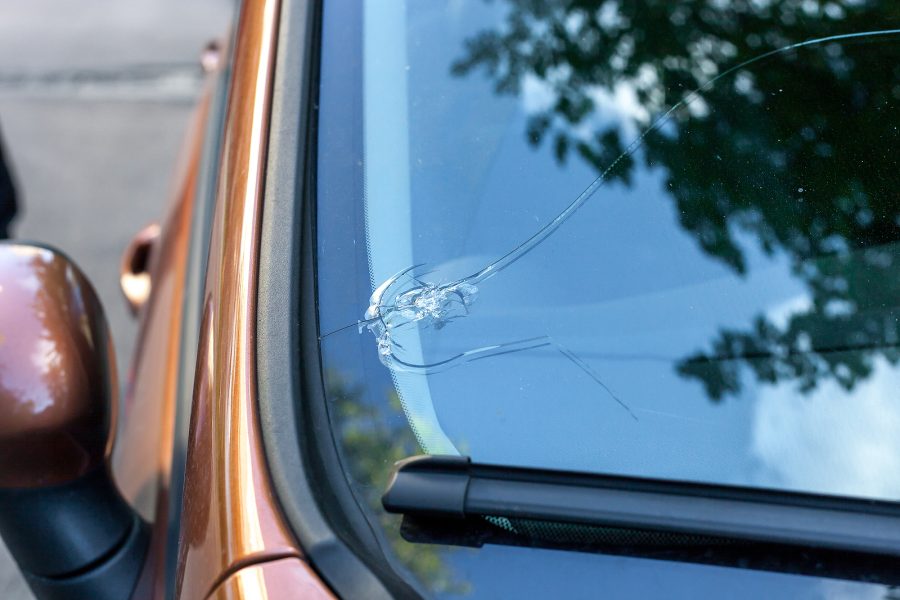
In general, cracks or other obstructions such as stickers, smears and chips, larger than 10mm in diameter when located in front of the driver (Zone A) are illegal, whilst the same can be up to 40mm in diameter on the passenger’s side (Zone B).
This is because they are deemed to severely obscure vision due not only to the cracks themselves but also their ability to reflect and focus light, causing potentially distracting glare. This is considered to be “using a car in a dangerous condition” under UK law.
However, not every crack leads to the windscreen being replaced; if the crack has not spread, is not structurally significant and has not otherwise become contaminated and ruined the entire windscreen, it can often be fixed.
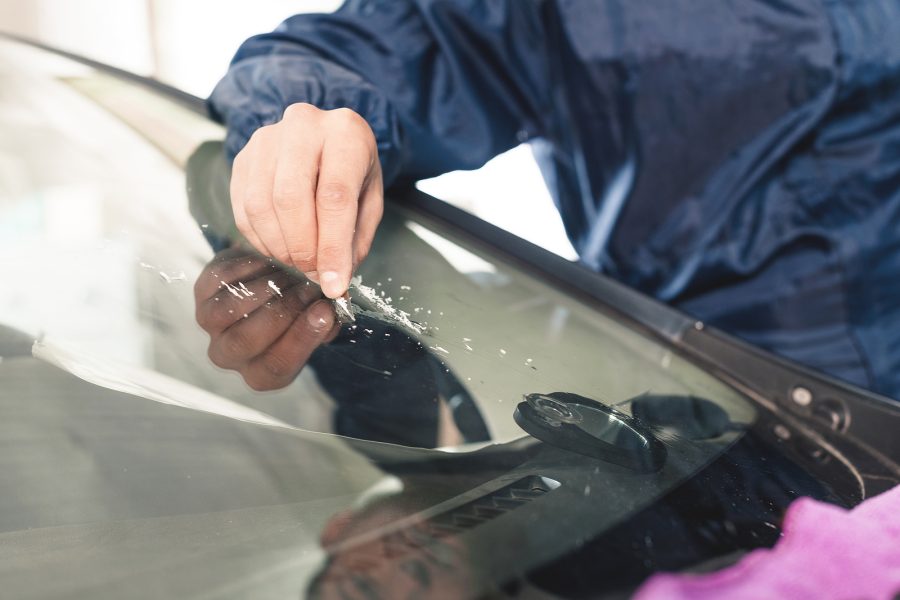
Typically, this is done through epoxy injections; a see-through adhesive material is injected into the crack and sealed to create a seamless repair.
This is a lot quicker and cheaper than replacements, and in a lot of cases of small-scale damage, such as stones pelting the windscreen, it can be sufficient to solve the issue.
There are some cases, however, where the crack emerges in a certain place, where it can affect the structural integrity of the windscreen, and the entire unit has to be replaced.